2025 Grand Regions Tour
Category: Events
Mar
17
 Save the Date: 2025 Tennessee Grand Regions Tour
The Rural Health Association of Tennessee invites you to join us in 2025 Grand Regions Tour. These spring regional events will give members an opportunity to learn from prominent speakers in rural communities and esteemed universities as we explore critical topics in behavioral health. These events are perfect for healthcare providers, educators, advocates, and anyone passionate about rural health.
 The Tennessee Center for Health Workforce Development is thrilled to announce their inaugural TCWD Middle TN Discovery Summit, hosted by Belmont University and sponsored by TN HOSA, on Saturday, March 29, 2025, from 9:00 AM to 12:00 PM. This event is a fantastic opportunity to strengthen healthcare pathways by offering professional insights and showcasing vital programs and resources for anyone interested in pursuing a career in healthcare.
 Join us for a valuable
  to become a Rural Health - Coding & Billing Specialist (RH-CBS), we urge clinical personnel (MD, DO, NP, PA, RN) to attend as well since clinical documentation is key to everything, as is building a shared foundation of knowledge.
 Advocate for Change: Join Rural Health Day on the Hill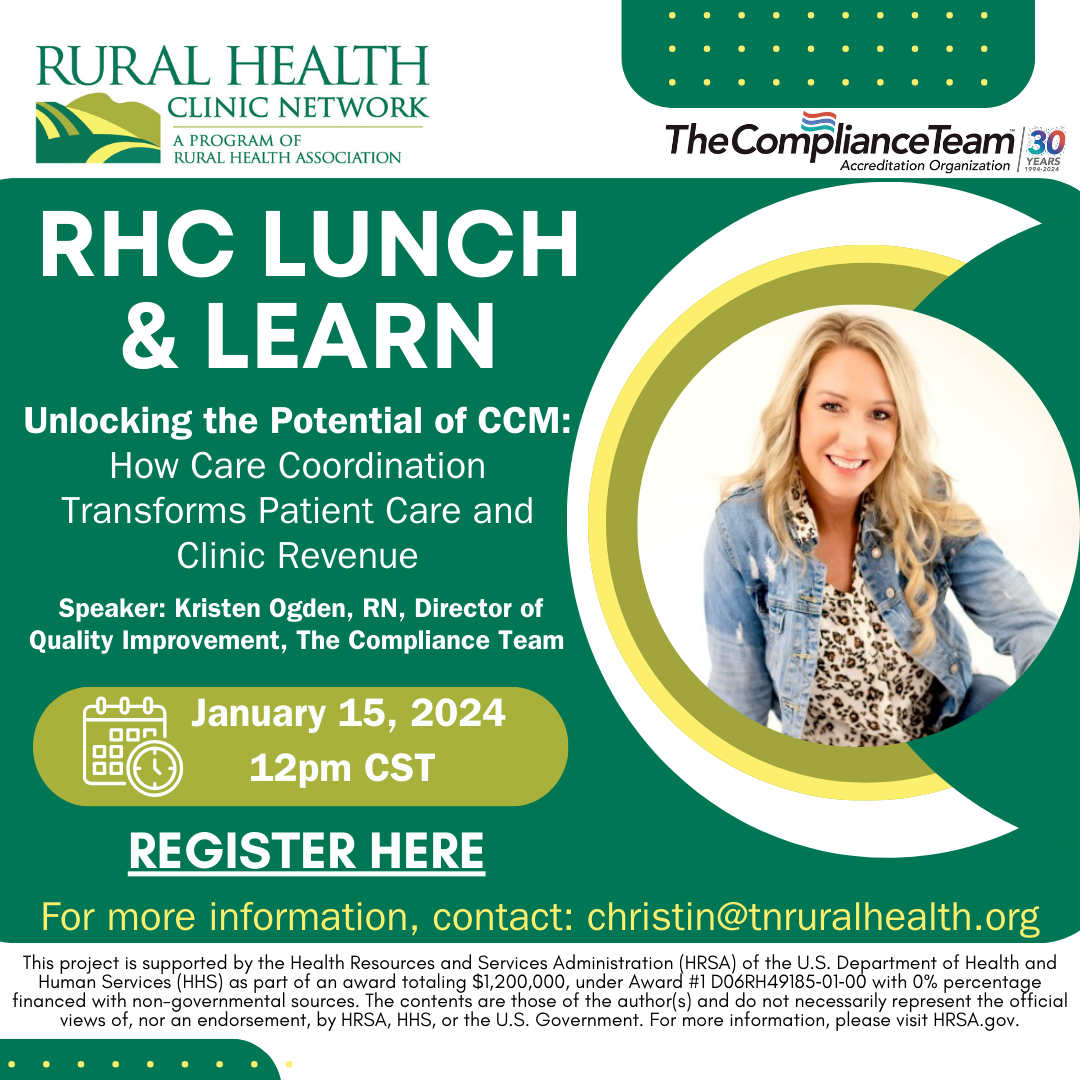
 Celebrating 30 Years of Advancing Rural Health: A Heartfelt Thank You to Our Conference Attendees
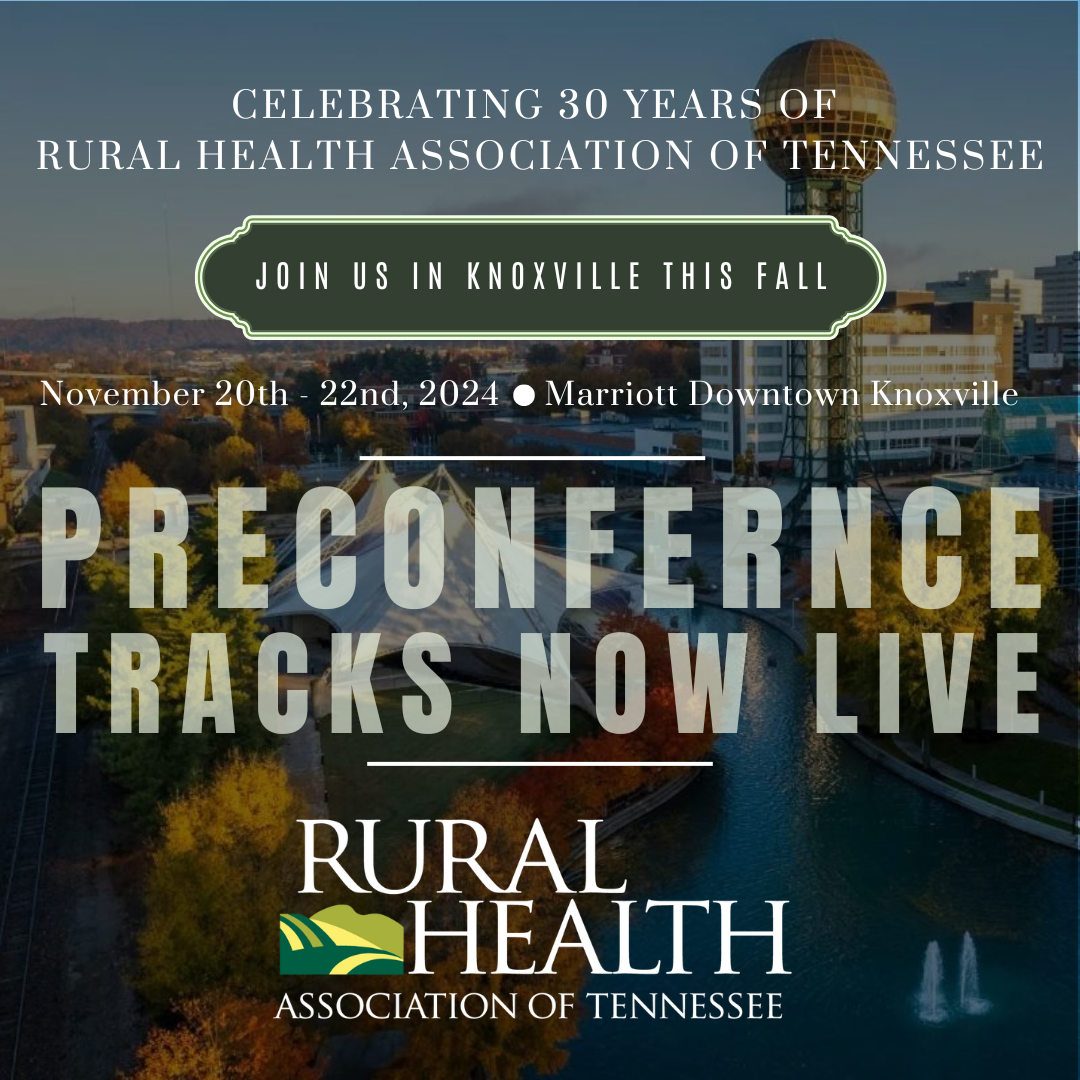 The 30th Annual Conference of the Rural Health Association of Tennessee
 The Rural Health Association of Tennessee is celebrating good news! We are elated to share that we have received
 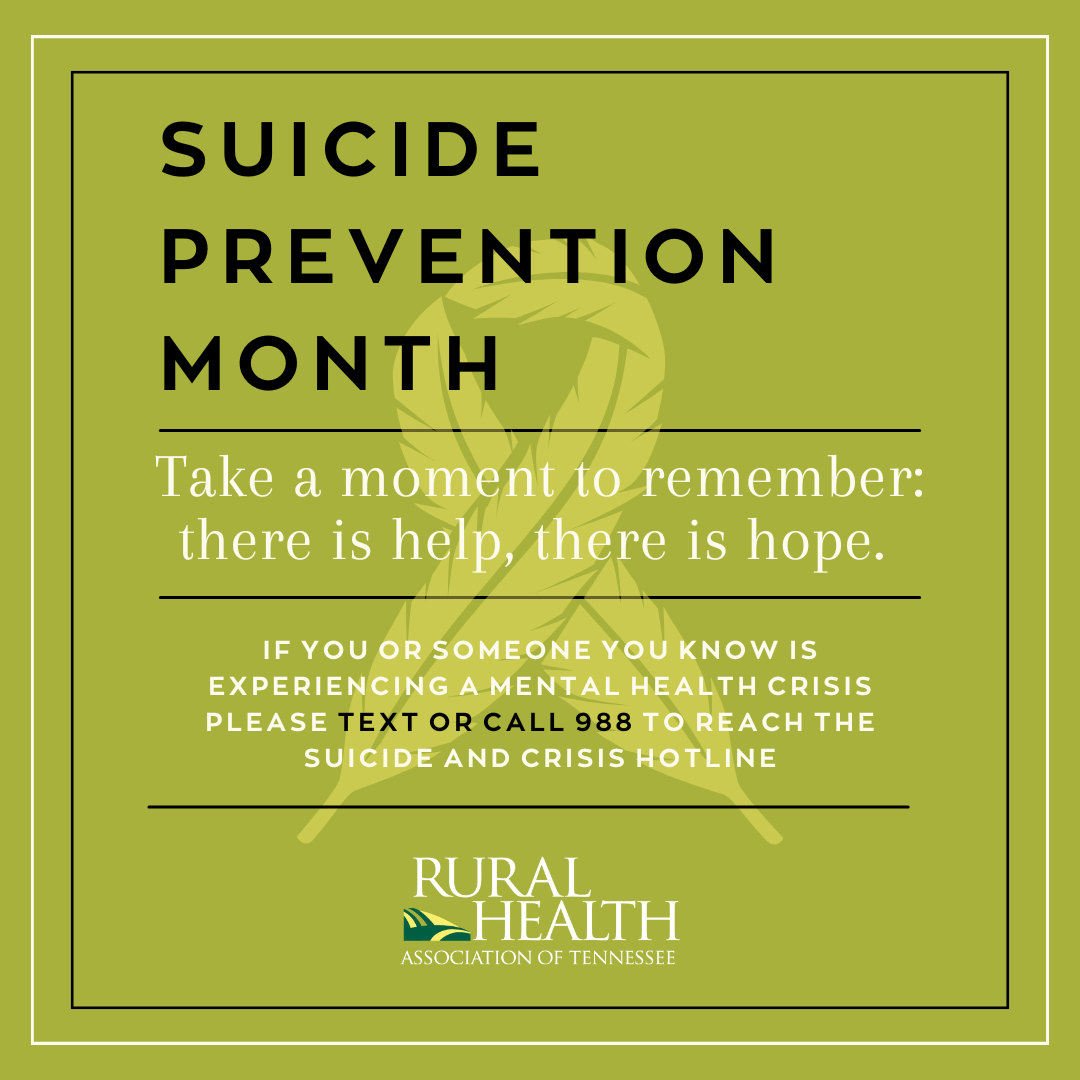 Suicide Prevention Month, observed every September, is a crucial time dedicated to raising awareness about mental health struggles and preventing suicide. This month brings attention to the profound impact that suicide has on individuals, families, and communities. By shedding light on mental health issues and promoting open discussions, Suicide Prevention Month seeks to remove the stigma surrounding mental health and encourage those in need to seek help. Public health organizations, mental health professionals, and advocates come together to offer resources, support, and education during this time, emphasizing that mental health is just as important as physical health.
 A
A 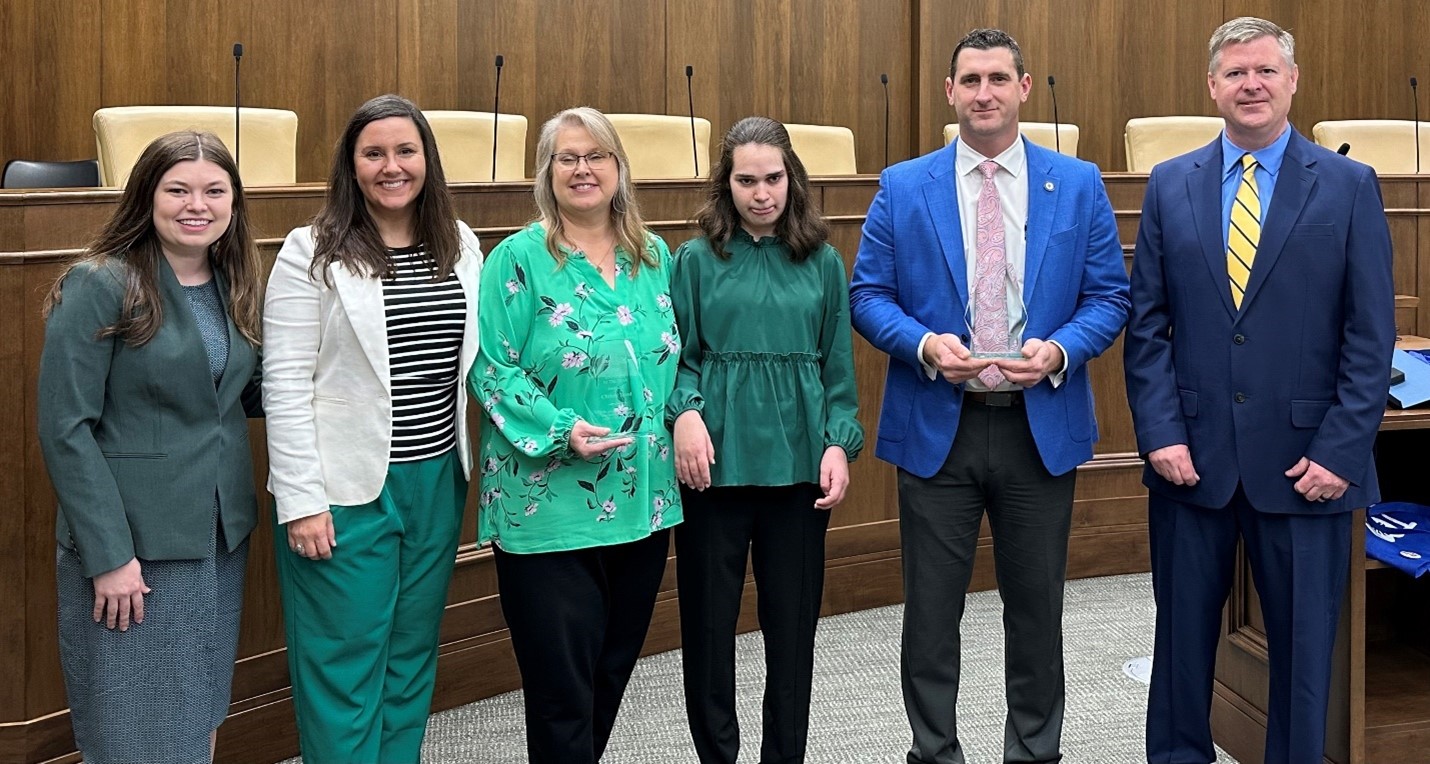
 National Recovery Month, observed every September, is a time dedicated to promoting awareness and understanding of mental health and substance use disorders, celebrating individuals in recovery, and recognizing the work of professionals in the field. The month serves as a beacon of hope for millions, demonstrating that recovery is possible for everyone. It highlights the importance of community involvement, resilience, and support systems in helping people achieve long-term recovery from addiction and mental health challenges. By fostering open conversations and reducing stigma, National Recovery Month helps create an environment where individuals feel encouraged to seek help without judgment.
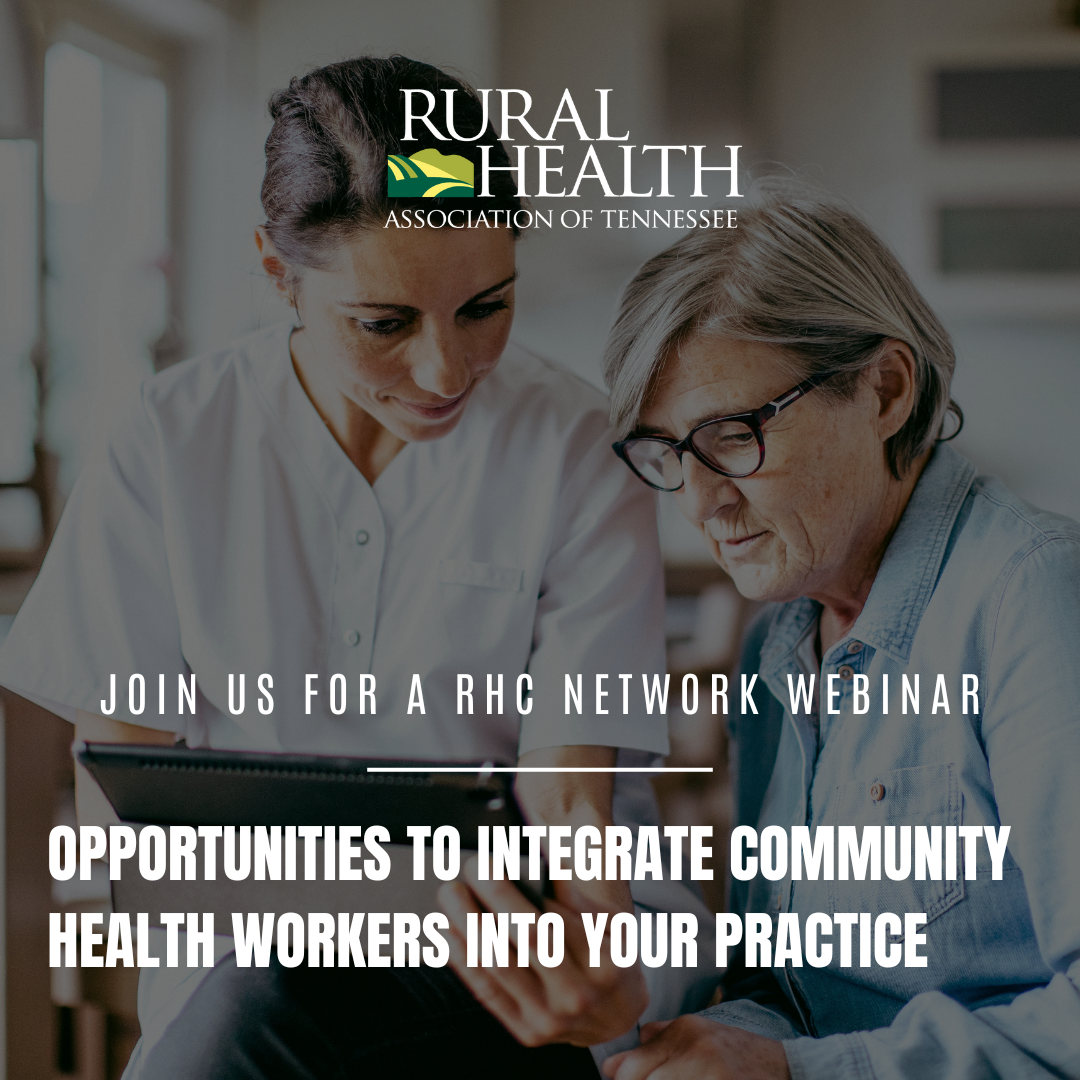 Please join us for this highly requested topic around opportunities for Community Health Workers to become a reality in your practice and your community.