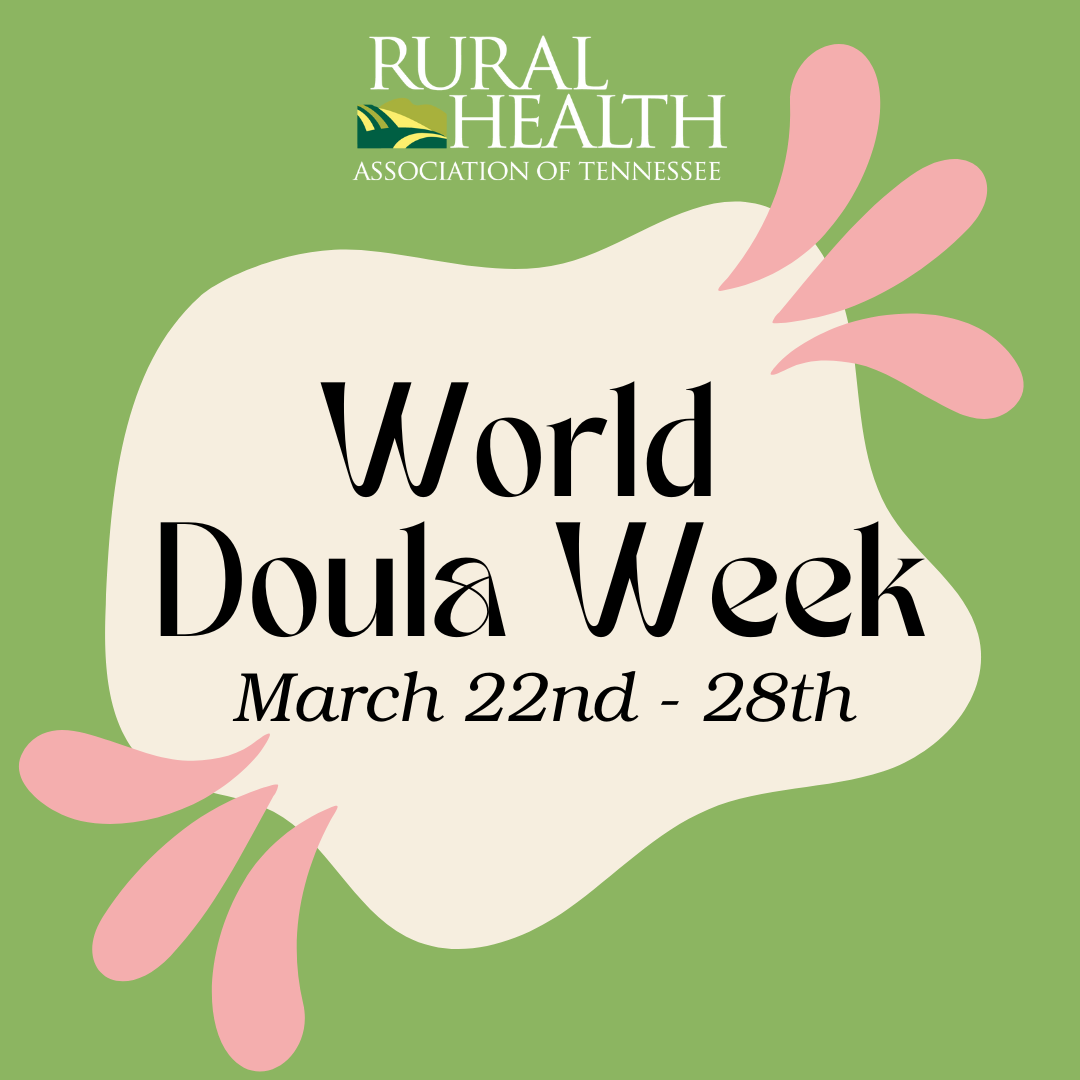
 World Doula Week holds significant importance in raising awareness about the invaluable role of doulas in maternal and infant healthcare. Doulas, often referred to as birth companions or birth coaches, provide physical, emotional, and informational support to mothers before, during, and after childbirth. This week-long observance serves as a platform to highlight the vital contributions doulas make in promoting positive birth experiences, reducing medical interventions, and supporting the overall well-being of mothers and babies worldwide.
In rural areas, the need for doulas becomes even more pronounced due to various challenges faced by expectant mothers and their families. Limited access to healthcare facilities, including hospitals and obstetric care, is a prevalent issue in many rural communities. Doulas play a crucial role in bridging this gap by offering continuous support during labor and delivery, especially when medical resources are scarce or distant. Their presence can help alleviate anxieties, provide comfort measures, and advocate for the mother's preferences, ensuring a safer and more empowering birth experience.
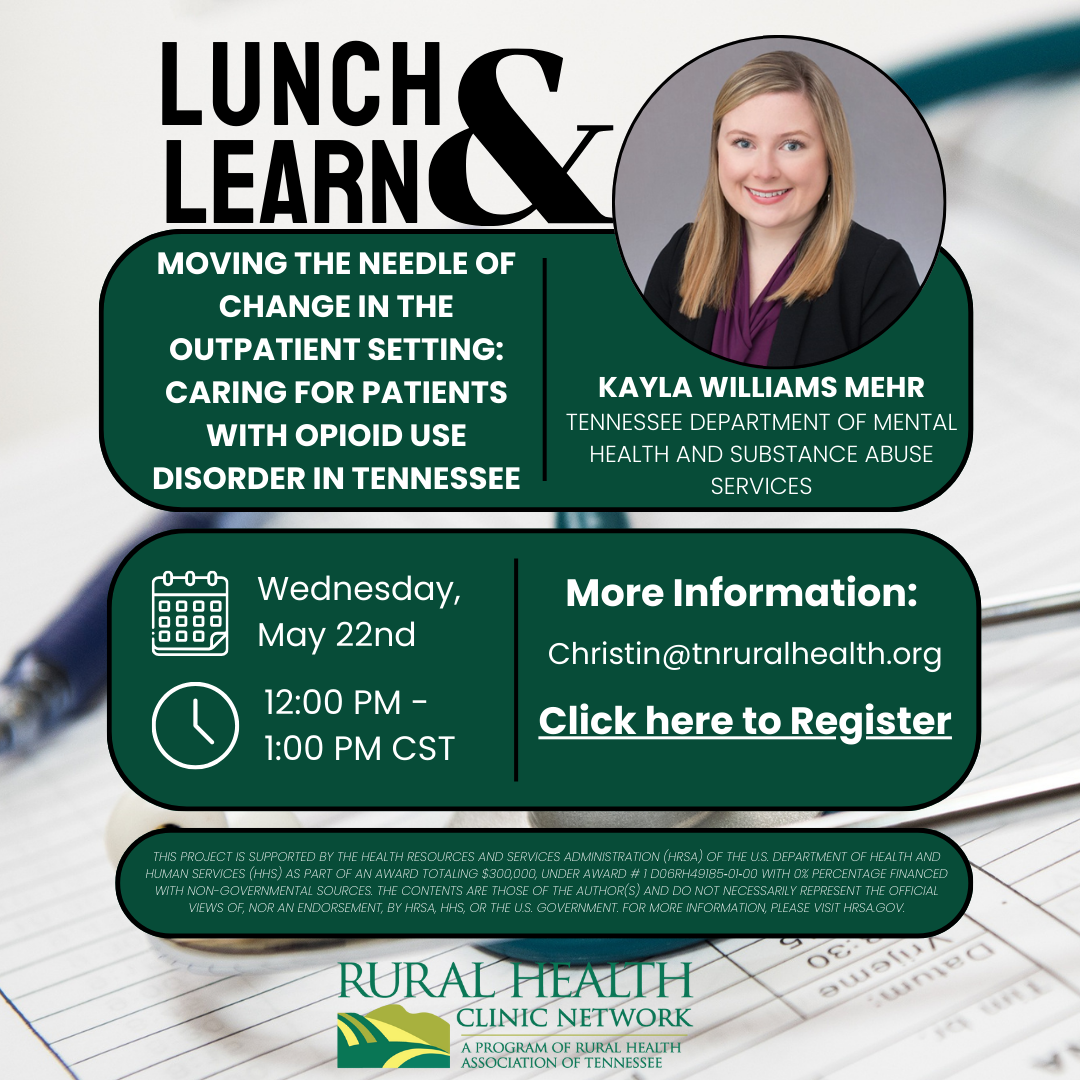 May 22, 2024 RHC Lunch and Learn: Moving the Needle of Change - Caring for Patients with Opioid Use Disorder in Tennessee
 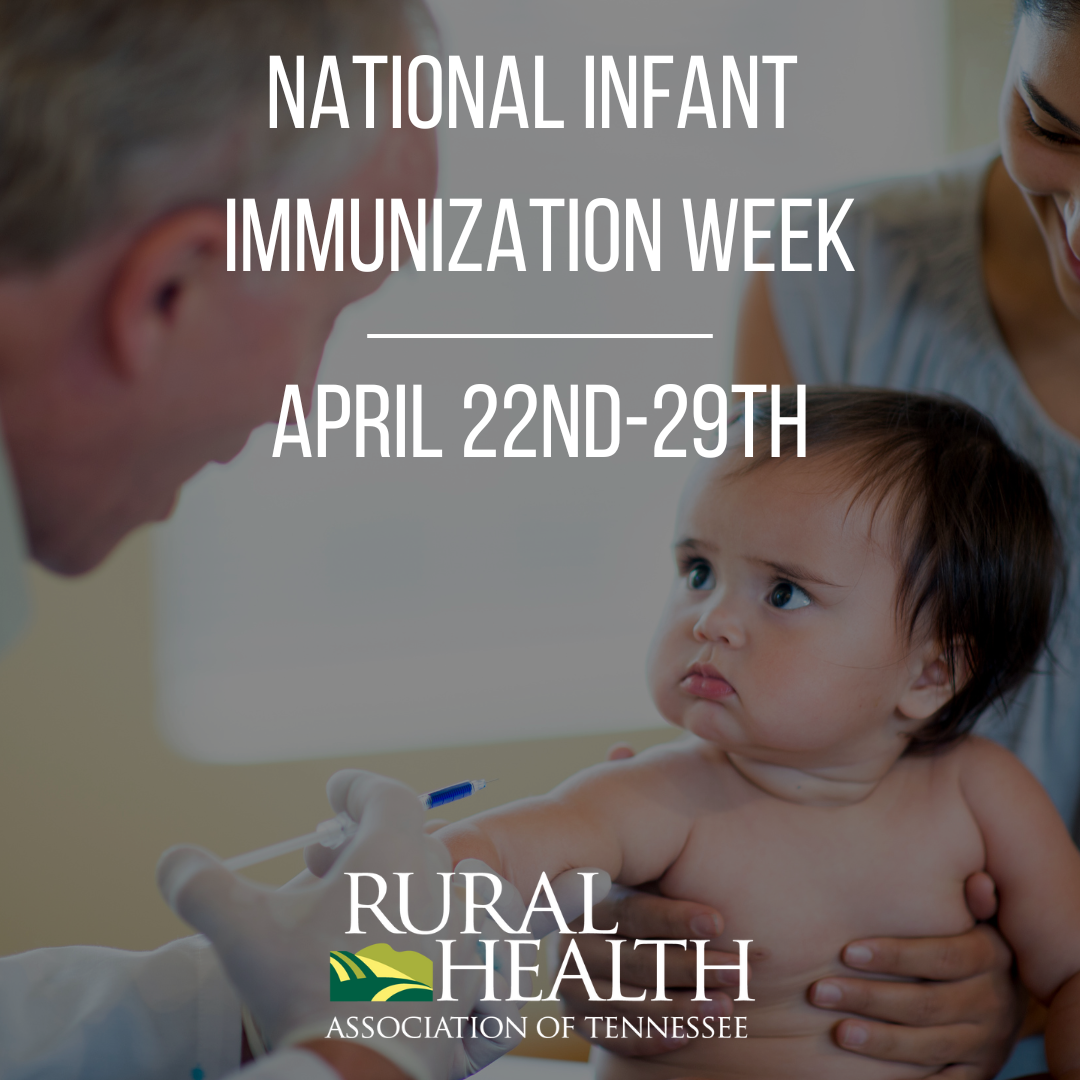 National Infant Immunization Week (NIIW) is a vital campaign that emphasizes the significance of timely vaccination for infants and young children. Immunization during early childhood is crucial for protecting against vaccine-preventable diseases, safeguarding individual health, and promoting community immunity. NIIW provides a dedicated platform to raise awareness about the importance of infant immunization, educate parents and caregivers about vaccination schedules, and encourage healthcare providers to prioritize immunization efforts.
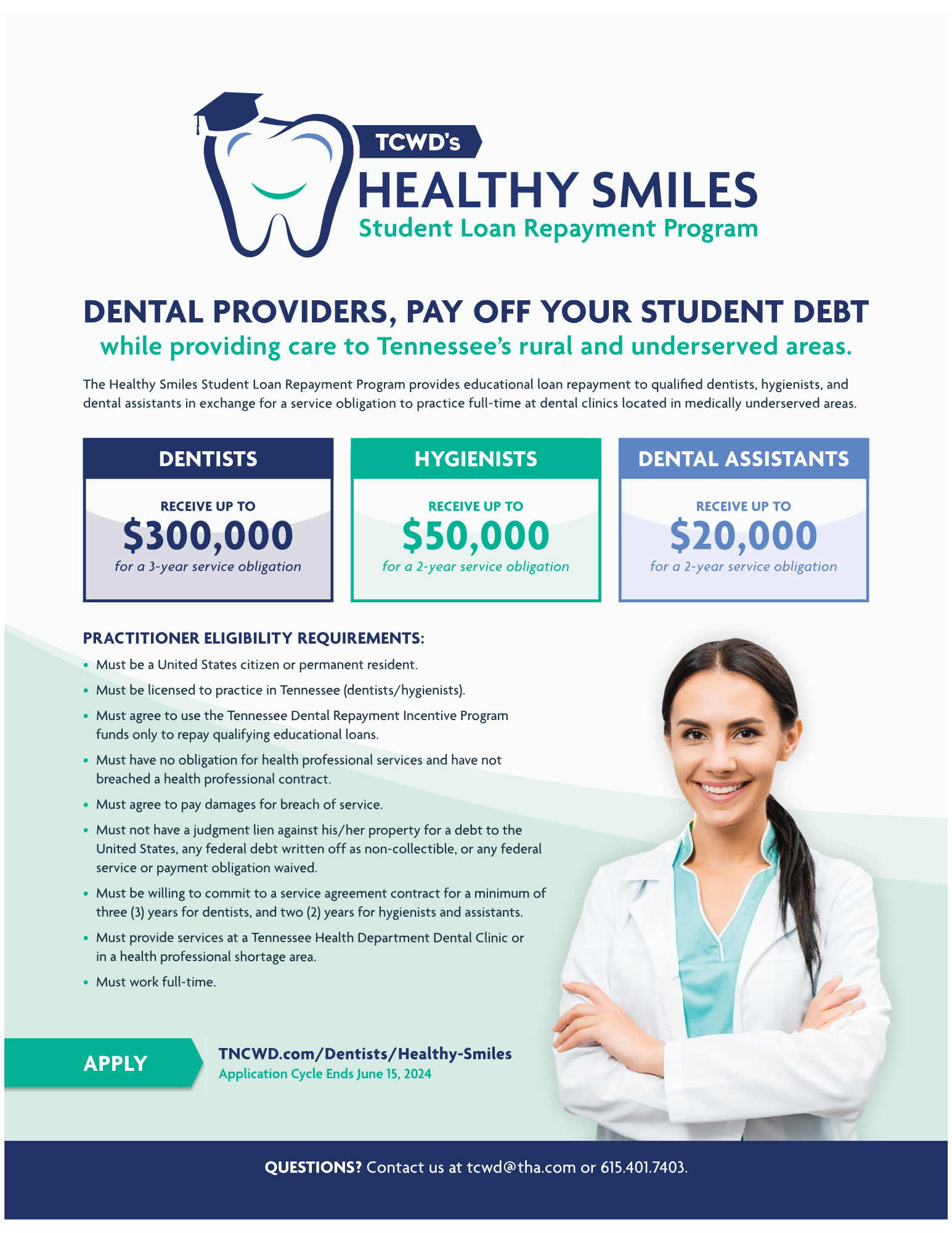 The Healthy Smiles Student Loan Repayment Program provides educational loan repayment to qualified dentists, hygienists, and dental assistants in exchange for a service obligation to practice full-time at dental clinics located in medically underserved areas.
  Regional events are an opportunity to learn more about our RCORP program. Register for your region to hear more about substance use disorder, mental health, and Rural Health Association program updates. Lunch will be provided to in-person attendees.
 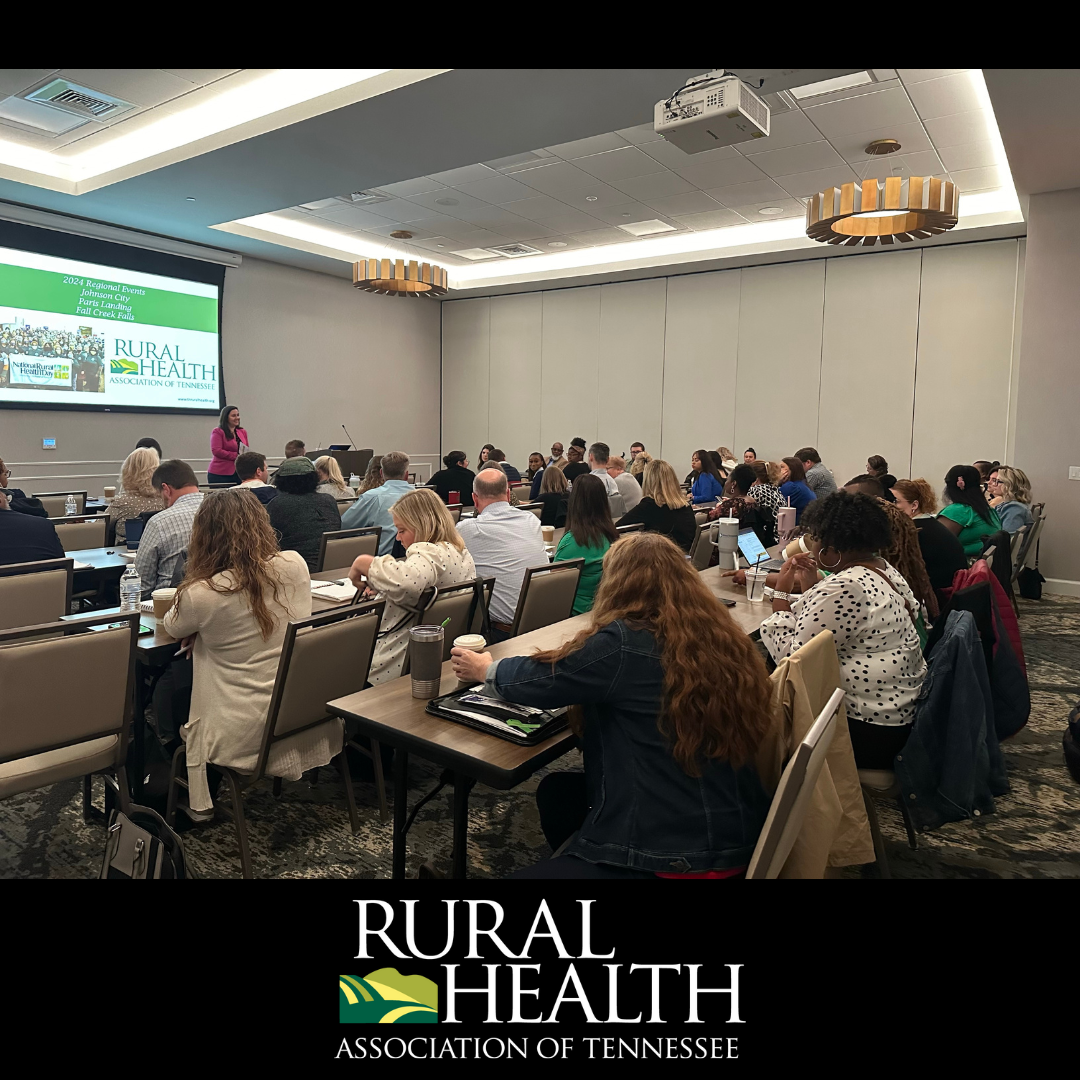 Tuesday, April 9th, we had the opportunity to host our regional event at Paris Landing State Park and see our west region members. Members had the opportunity to h
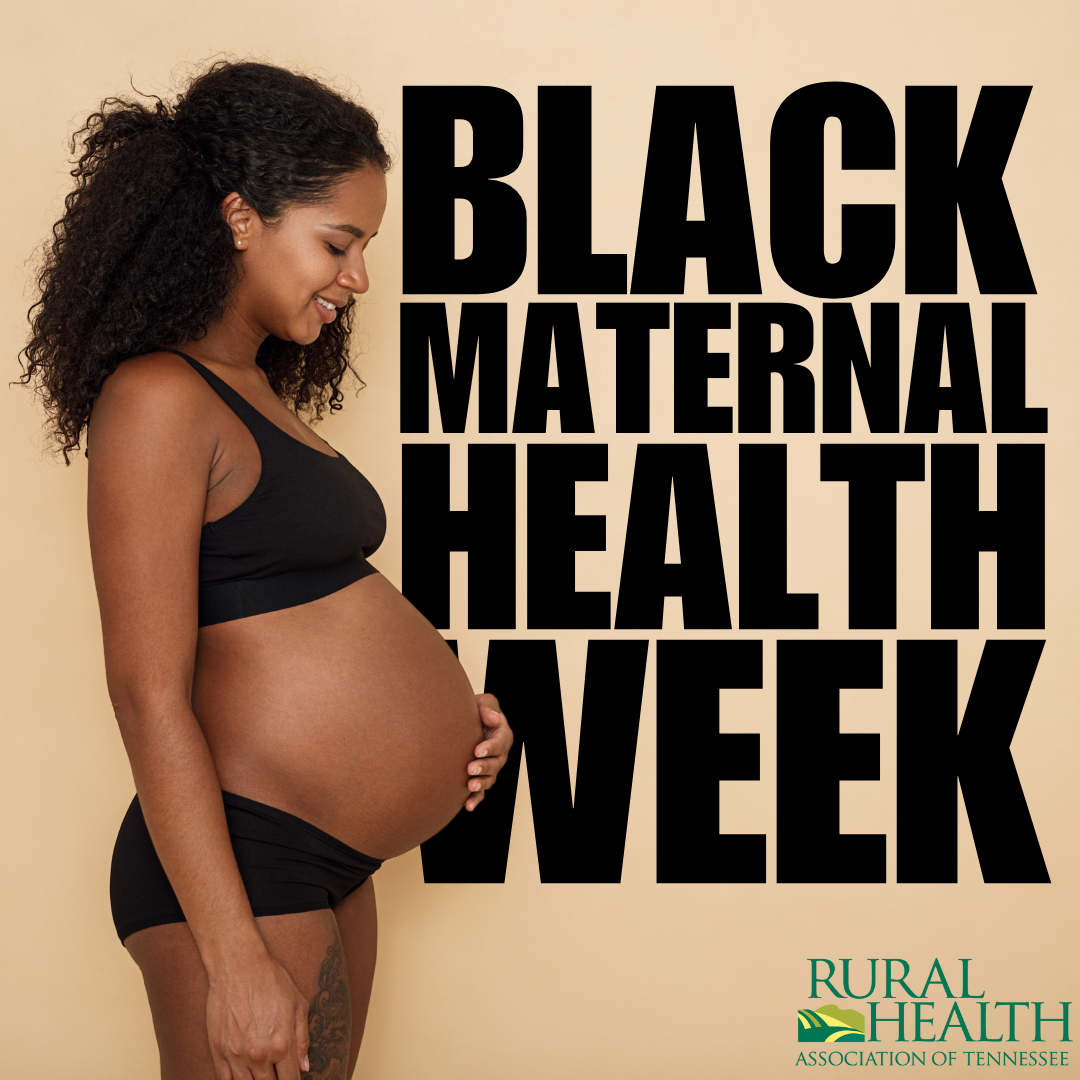 Black Maternal Health Week (BMHW) is a critical initiative aimed at addressing the significant disparities in maternal health outcomes experienced by Black women in the United States. This dedicated week takes place from April 11th-17th and raises awareness about the disproportionate rates of maternal mortality and morbidity among Black women and advocates for policies and interventions to improve Black maternal health outcomes. In rural areas, where access to quality healthcare services is often limited and disparities in healthcare delivery are exacerbated, BMHW holds particular importance in highlighting and addressing the unique challenges faced by Black mothers.
 Public Health Awareness Month holds particular significance for rural areas, where access to healthcare services and health education can be limited. In rural communities, residents often face unique challenges such as geographic isolation, limited healthcare infrastructure, and socioeconomic disparities, which can contribute to poorer health outcomes. Public Health Awareness Month provides a crucial opportunity to address these disparities by raising awareness about prevalent health issues and promoting access to healthcare resources in rural areas.
 The Rural Health Association of Tennessee's
 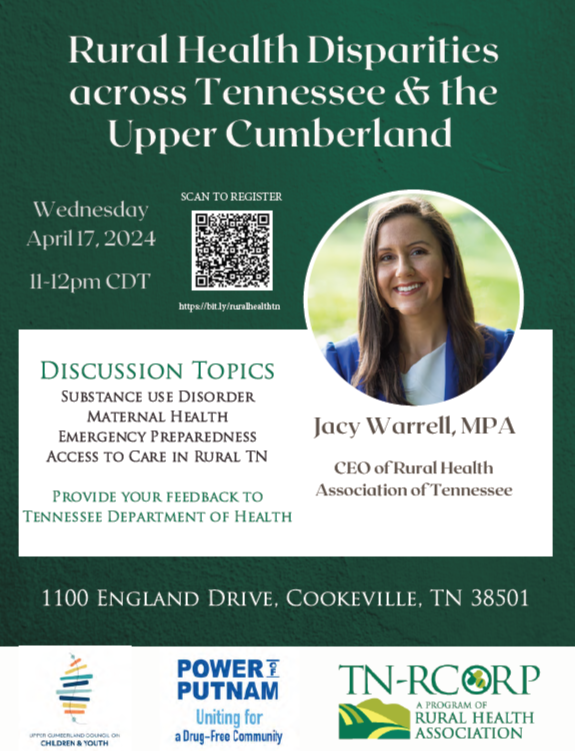 Join us on April 17 from 11AM - 12PM for an informative lunch session hosted by Upper Cumberland Council on Children and Youth, Rural Health Association of Tennessee, and Power of Putnam. Discussion topics will cover substance use disorder, maternal health, emergency preparedness, and access to care in rural TN. Don't miss out on this exciting opportunity to grow and learn together!
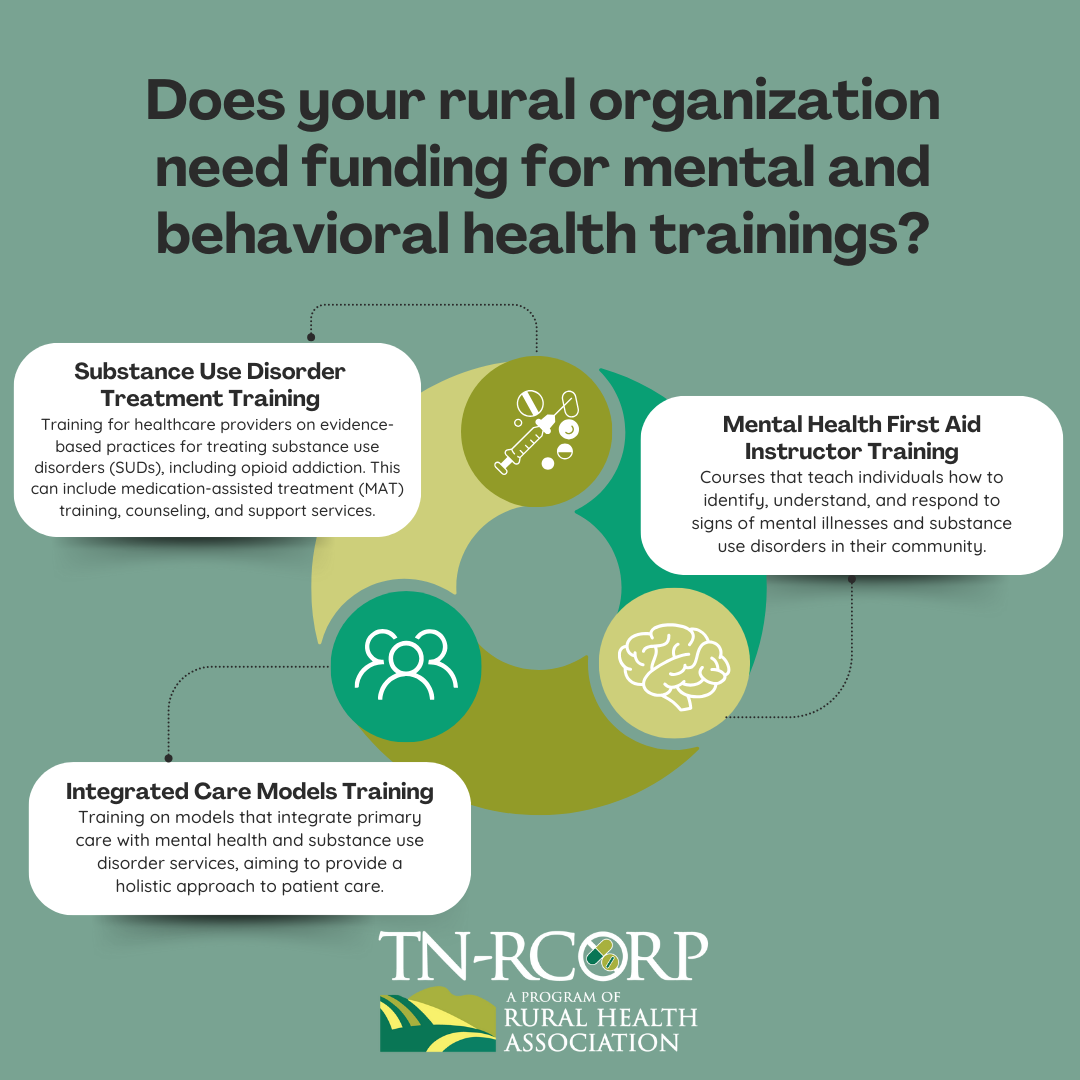 The Rural Health Association is offering funding for
 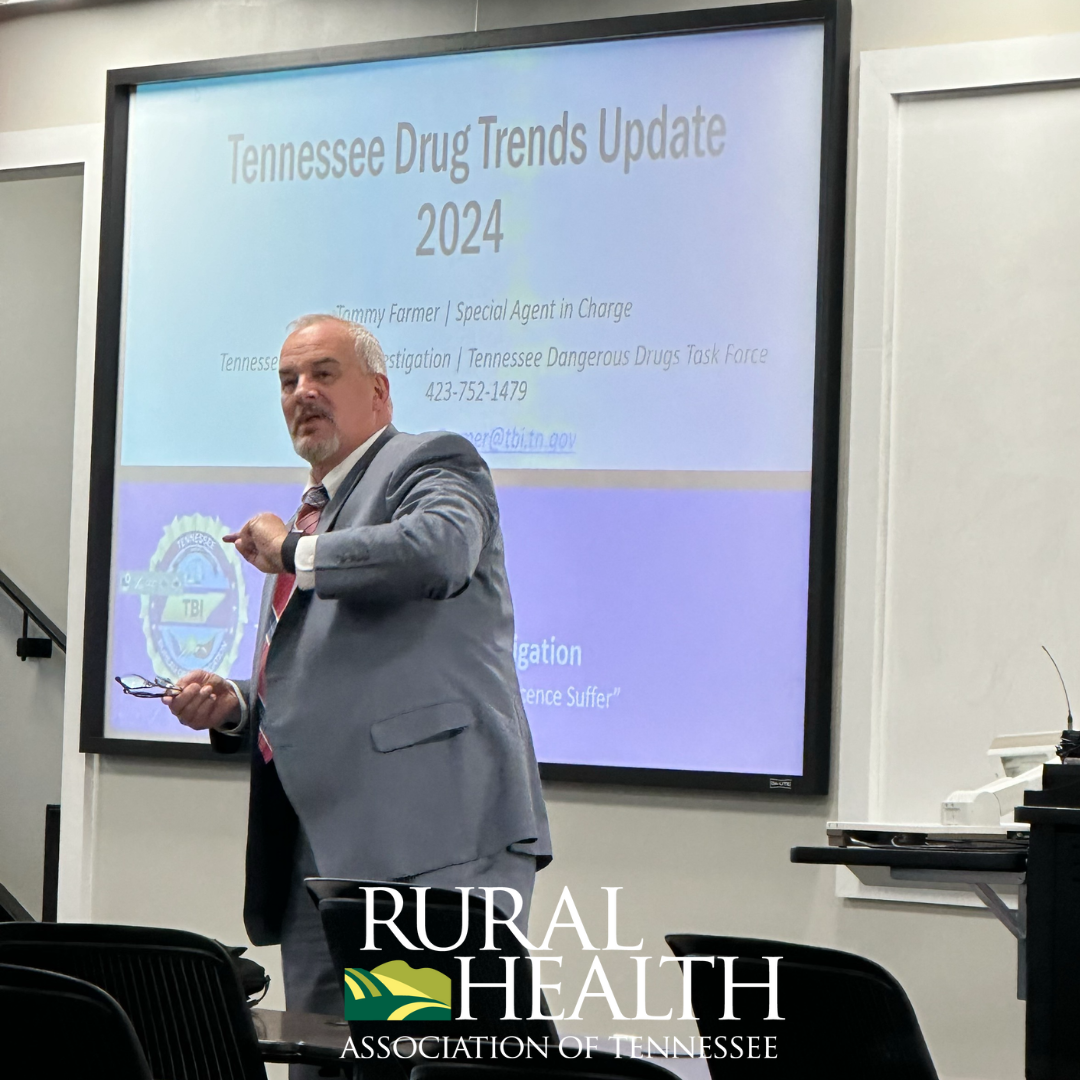 Our 2024 Spring Regional events are in swing! Tuesday, March 19th, we had the opportunity to host our regional event at East Tennessee University and see our east region members. Members had the opportunity to h
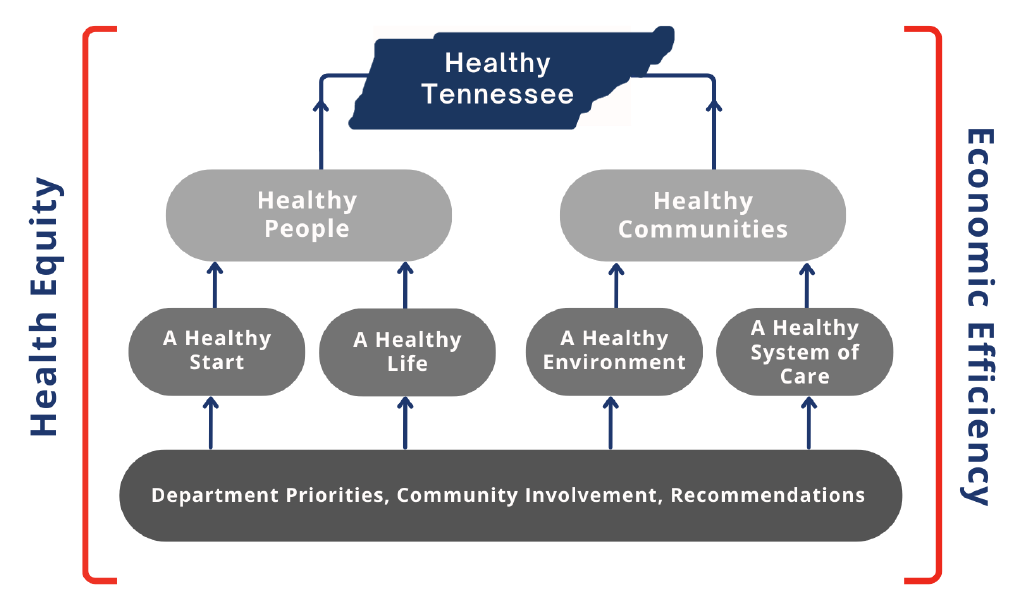 The 2024-2026 State Health Plan seeks to provide a pathway for achieving the Department’s vision: Healthy People, Healthy Communities, Healthy Tennessee.
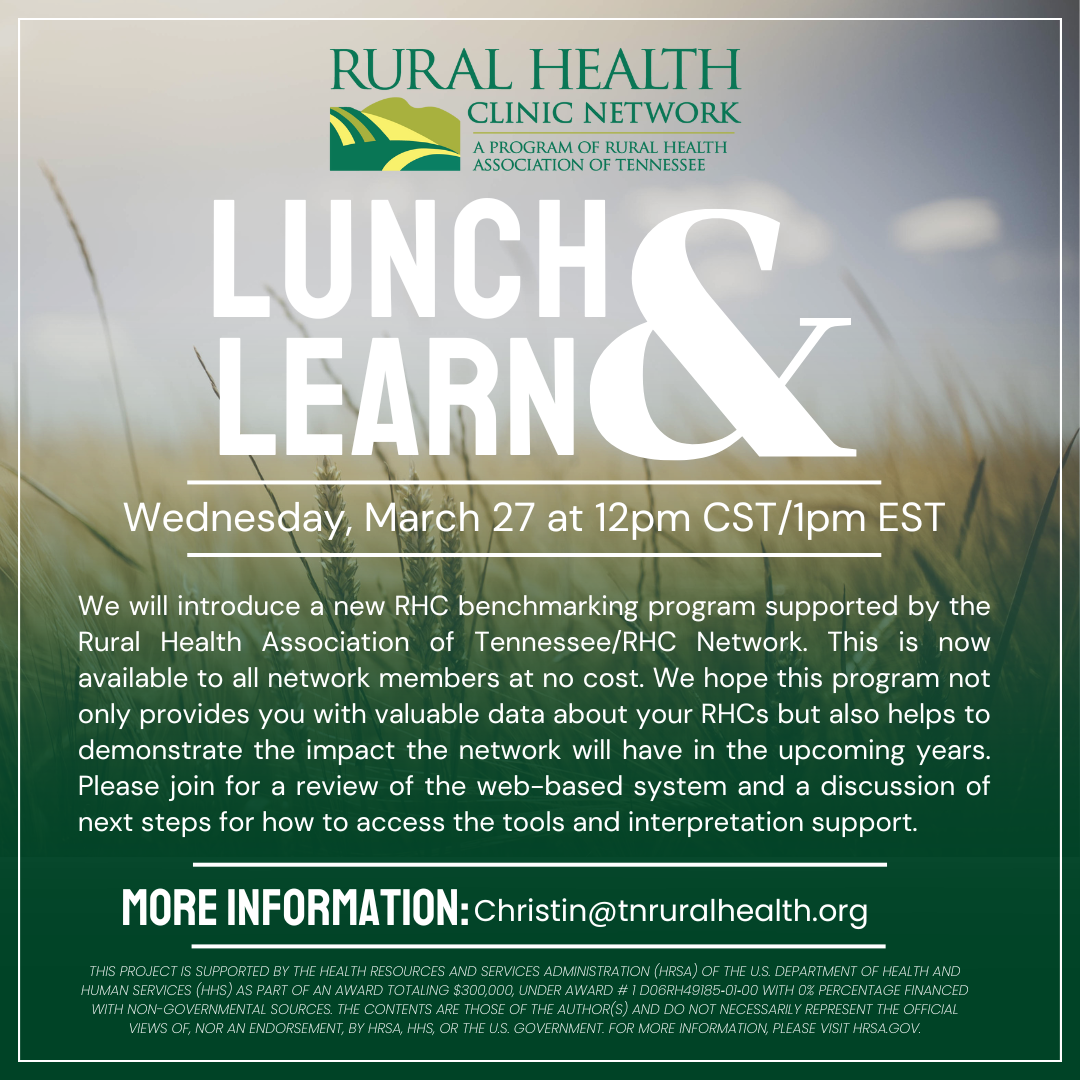 Please join us for our next Lunch and Learn Session on Wednesday, March 27 at 12pm CST/1pm EST where we will introduce a new RHC benchmarking program supported by the Rural Health Association of Tennessee/RHC Network. This is now available to all network members at no cost. We hope this program not only provides you with valuable data about your RHCs but also helps to demonstrate the impact the network will have in the upcoming years.
  Colorectal Cancer Awareness Month, observed annually in March, serves as a crucial reminder of the importance of understanding and preventing colorectal cancer, which is one of the most common cancers worldwide. This month-long campaign aims to raise awareness about colorectal cancer risk factors, symptoms, screening options, and preventive measures. Through education and advocacy efforts, individuals are encouraged to take proactive steps to reduce their risk of developing colorectal cancer and to promote early detection through regular screenings.