Join Rural Health Association of Tennessee in September for Recovery in Rural, a virtual learning series. Each week we'll host panelists and expert guests to discuss- What does recovery look like in rural Tennessee? What works to reduce stigma and build recovery-ready communities? What are promising practices and evidence-based solutions that help our people thrive? All sessions are virtual. Registration is required. Reach out to Jessica Rackley, RCORP Director, with questions.
 Join us for an engaging conversation on how rural communities can lead the way in promoting recovery and resilience. Our panelists will share inspiring stories of progress, discuss barriers hindering recovery readiness, and outline essential steps to create inclusive environments where everyone can flourish in their recovery journey.
 Join us for the August Rural Health Clinic (RHC) Lunch and Learn!
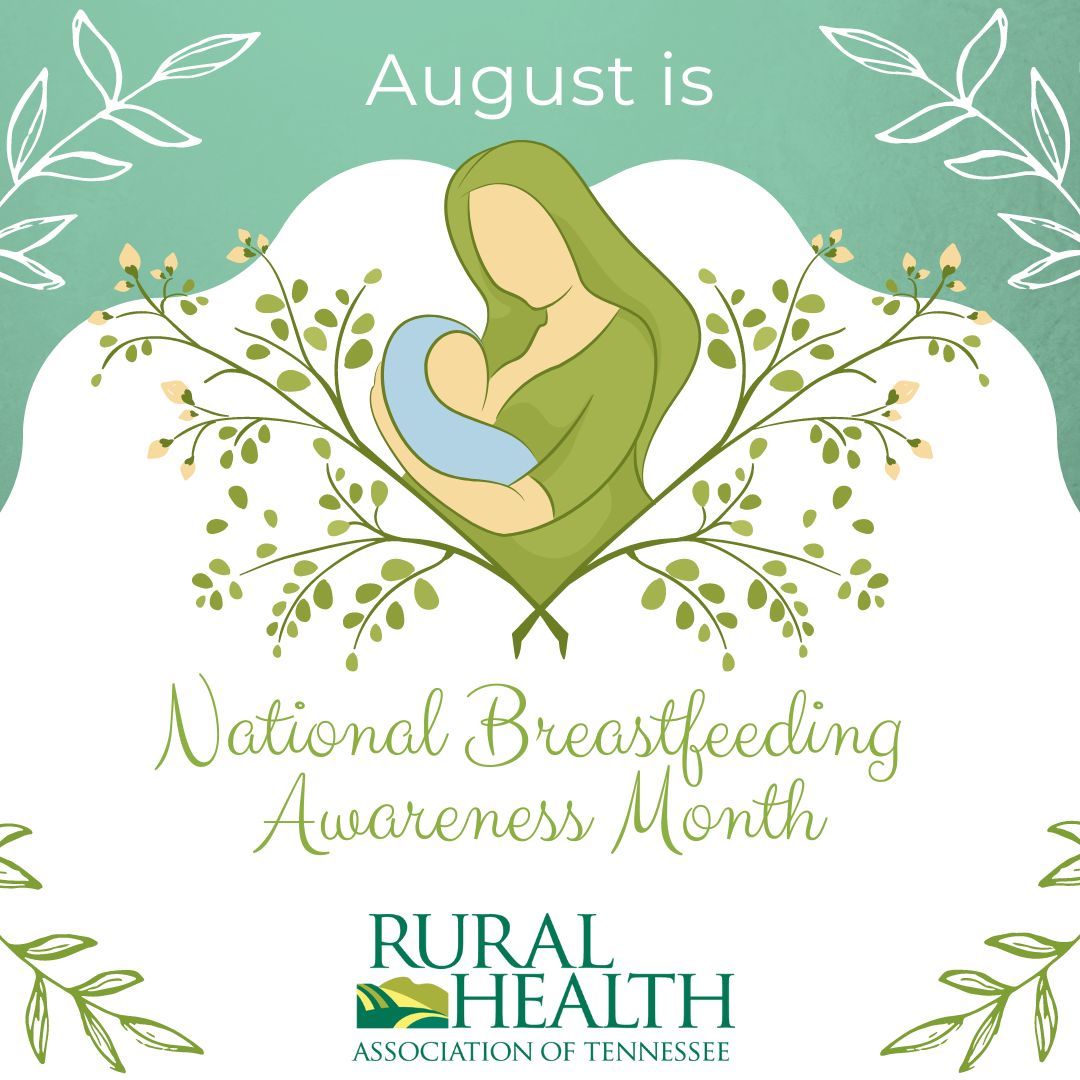 National Breastfeeding Awareness Month, observed in August, is dedicated to promoting the benefits and importance of breastfeeding for both mothers and infants. This initiative aims to increase public awareness, support, and education regarding breastfeeding, encouraging more mothers to choose this natural and beneficial practice. Breastfeeding has been scientifically proven to provide essential nutrients, antibodies, and bonding experiences that are crucial for a baby's development. It also offers significant health benefits for mothers, including reduced risks of certain cancers and postpartum depression. By celebrating and promoting breastfeeding, this month helps to ensure that families have the information and resources they need to make informed choices about infant feeding.
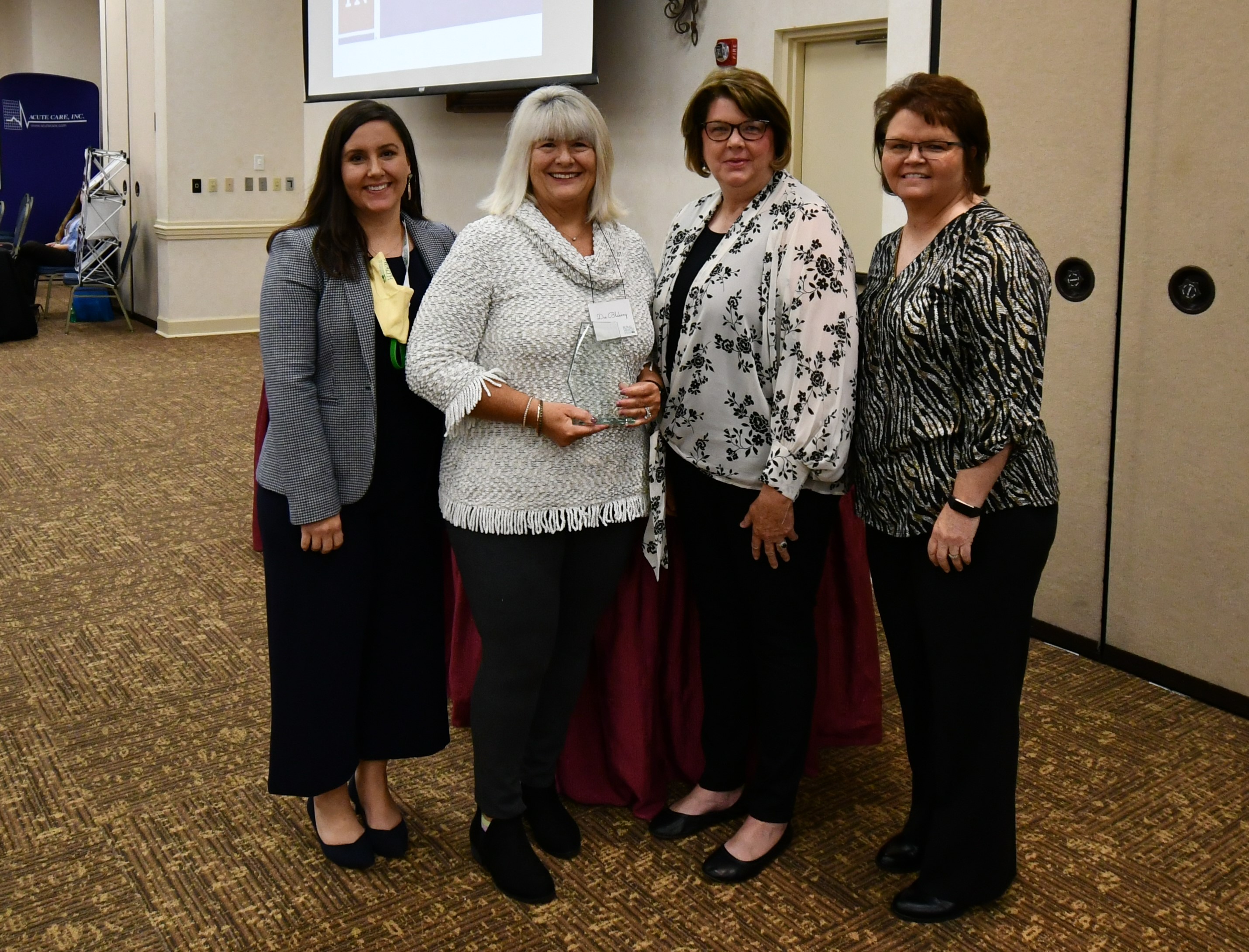 RHA joins the family, colleagues, and patients of Dee Blakeny in celebration of life. Dee Blakney, Nurse Practitioner, and recipient of the 2021 Rural Practitioner of the Year Award passed away last week after a battle with cancer.
  Children's Eye Health and Safety Month, observed every August, is dedicated to raising awareness about the critical role eye health plays in children's overall well-being and development. This initiative aims to educate parents, caregivers, and educators about the importance of regular eye exams and protective measures to ensure children have healthy vision. Early detection and treatment of eye conditions can prevent long-term vision problems and support academic and social success. By emphasizing eye health, this month-long campaign helps to establish lifelong habits that contribute to good vision and eye safety.
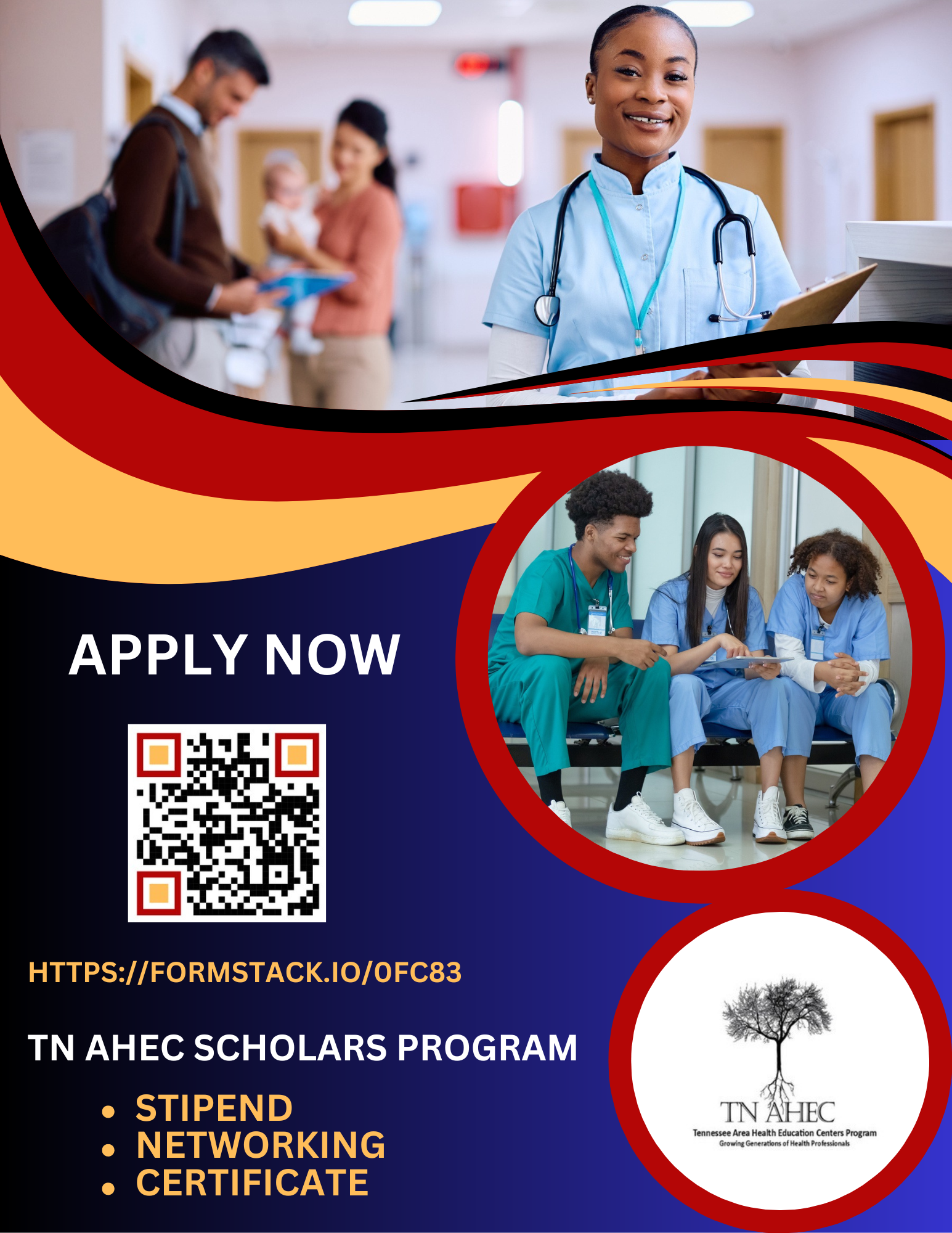 TN AHEC is currently accepting applications for the 2024-2026 cohort at all regional locations for the Tennessee Area Health Education Center (AHEC) Scholars Program: Central (Nashville); Matthew Walker Comprehensive Health Center (MWCHC); East and Southeast (Knoxville/Chattanooga); Cherokee Health Systems and West (Memphis); Christ Community Health Services.
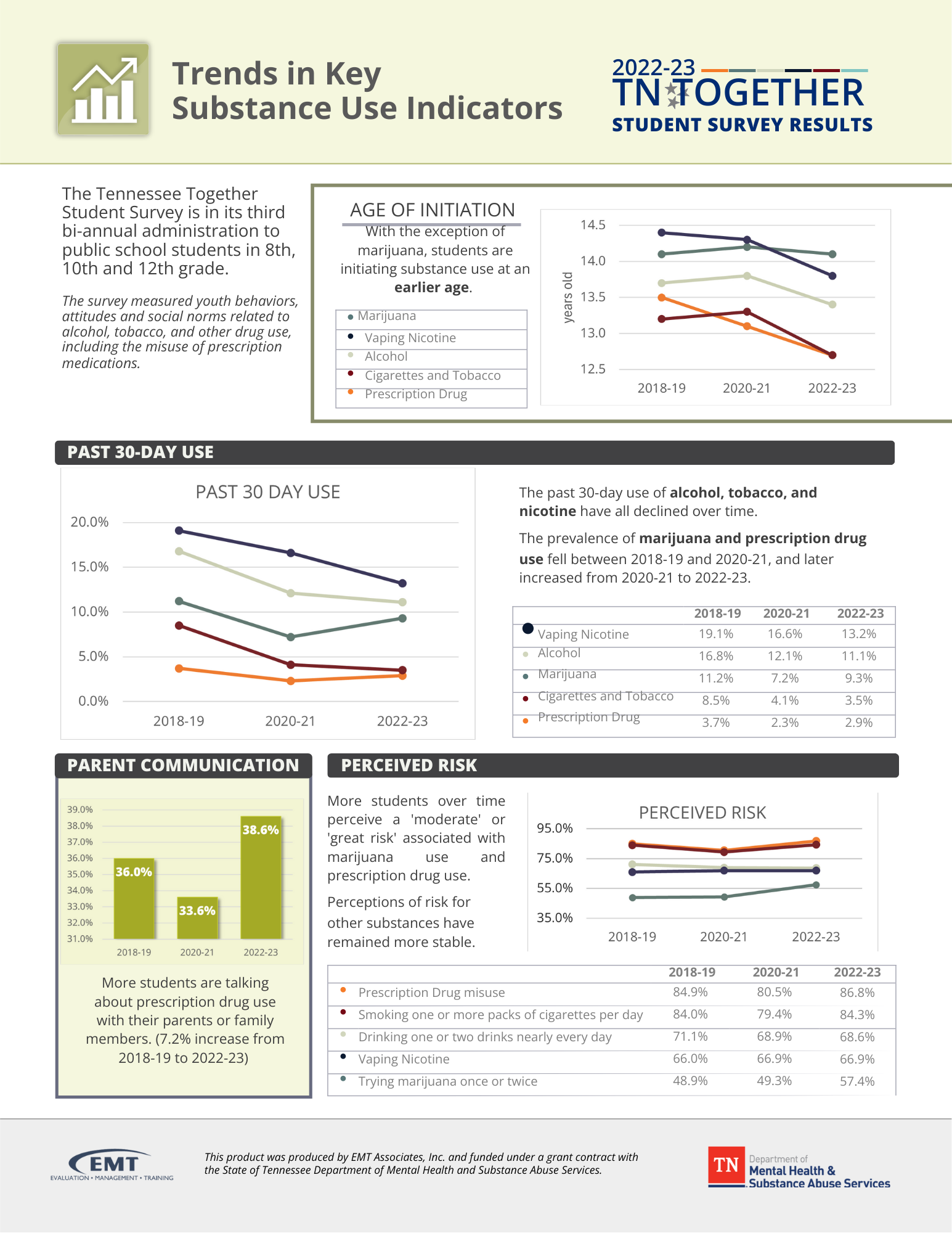 The Tennessee Together Student Survey captures data on youth behaviors, attitudes, and social norms related to substance misuse, emotional wellness, and other risk behaviors among Tennessee 8
 Have you submitted your nominations for the 2024 Annual Rural Health Awards? Each y
 In July of 2021, Rural Health Association of Tennessee (RHA) received a “Notice of Award” from Tennessee Department of Health (TDH) about a funding opportunity to build strategies and best practices to reduce COVID-19 risk across the state of Tennessee in underserved and rural communities. The contract (GR-21-73441) totaling $2,468,000 was made possible by the Centers for Disease Control and Prevention (CDC).
 Juvenile Arthritis (JA) refers to a range of autoimmune and inflammatory conditions that can affect children under the age of 16. These diseases cause joint pain, swelling, and stiffness, and can impact a child’s growth and overall development. Unlike adult arthritis, which is often associated with wear and tear of the joints, JA is primarily an autoimmune condition where the body's immune system mistakenly attacks its own tissues. There are several types of juvenile arthritis, including juvenile idiopathic arthritis (JIA), juvenile dermatomyositis, juvenile lupus, and juvenile scleroderma, among others.
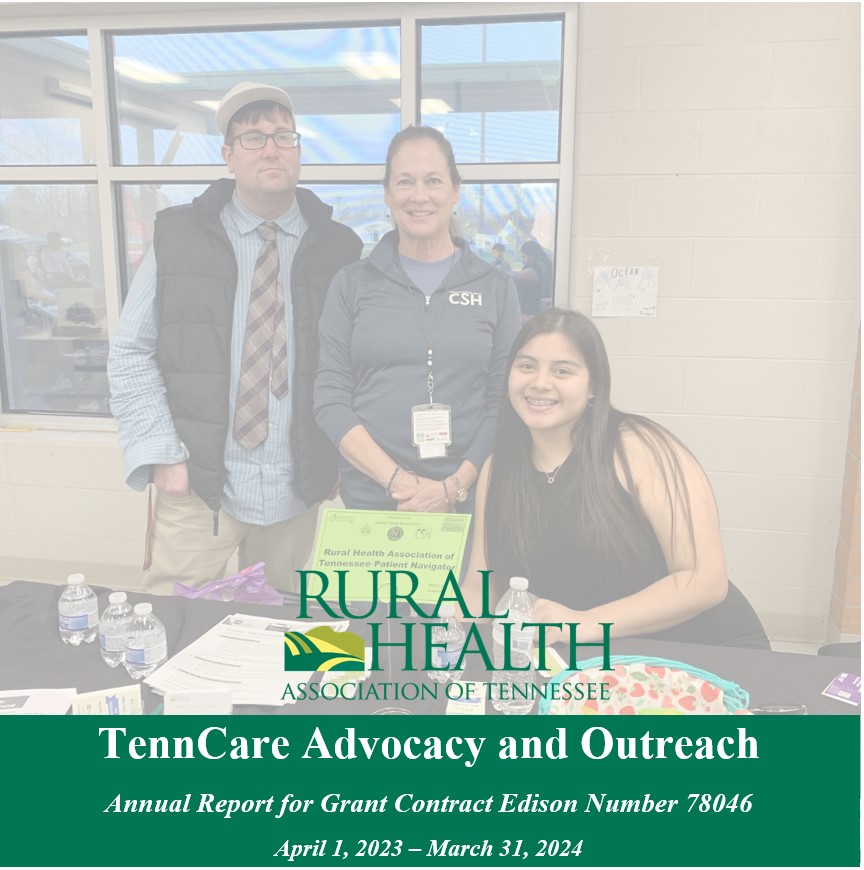 At the start of the COVID-19 pandemic in 2020, the U.S. Congress enacted the Families First Coronavirus Response Act (FFCRA). Among other things, FFCRA required state Medicaid programs keep beneficiaries enrolled through the end of the Public Health Emergency (PHE) in exchange for enhanced federal funding.
 In 2021, Rural Health Association of Tennessee (RHA) received a contact from Tennessee Department of Health (TDH), Office of Minority Health, via the Centers for Disease Control and Prevention (CDC) and U.S. Department of Health and Human Services (HRSA).
 Men's Health Month, observed every June, plays a crucial role in raising awareness about health issues affecting men and boys. This dedicated month serves as a pivotal time to encourage early detection and treatment of diseases more prevalent among men, such as heart disease, cancer, and mental health disorders. The aim is to foster health consciousness and encourage men to adopt healthier lifestyles. By focusing on preventive care and regular check-ups, Men’s Health Month seeks to reduce the gap in health outcomes between genders, given that men, statistically, are less likely to seek medical attention and more likely to suffer from serious health conditions at younger ages.
 Skin Cancer Awareness Month, observed each May, is a crucial campaign aimed at educating the public about the dangers of skin cancer, the most common form of cancer in the United States. This month-long initiative is spearheaded by organizations such as the
  National Women's Health Week, observed annually in May, serves as a crucial reminder of the significance of women's well-being. It's a dedicated time for women of all ages to prioritize their health by scheduling check-ups, screenings, and engaging in healthy habits. This initiative aims to empower women to take control of their health, encouraging them to make informed decisions about their bodies and lifestyles.
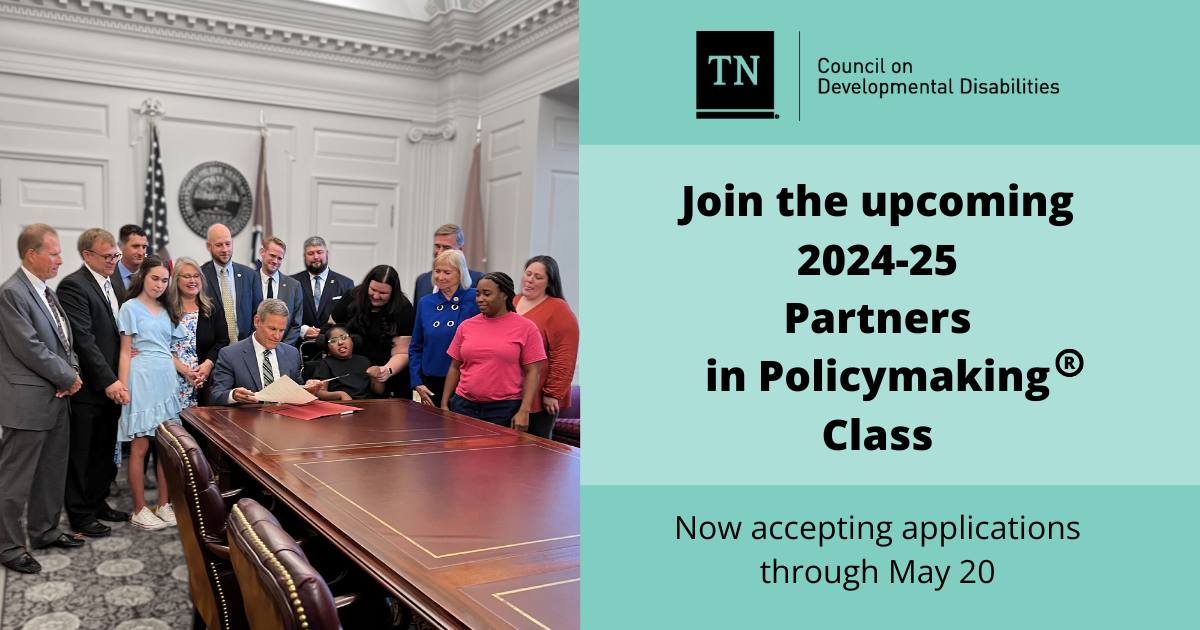 Partners in Policymaking is now accepting applications for the 2024-25 class!
 Mental Health Awareness Month, observed throughout May, serves as a crucial platform to educate, raise awareness, and reduce stigma surrounding mental health issues. It offers an opportunity for individuals, communities, and organizations to come together to promote understanding and support for those struggling with mental health challenges.
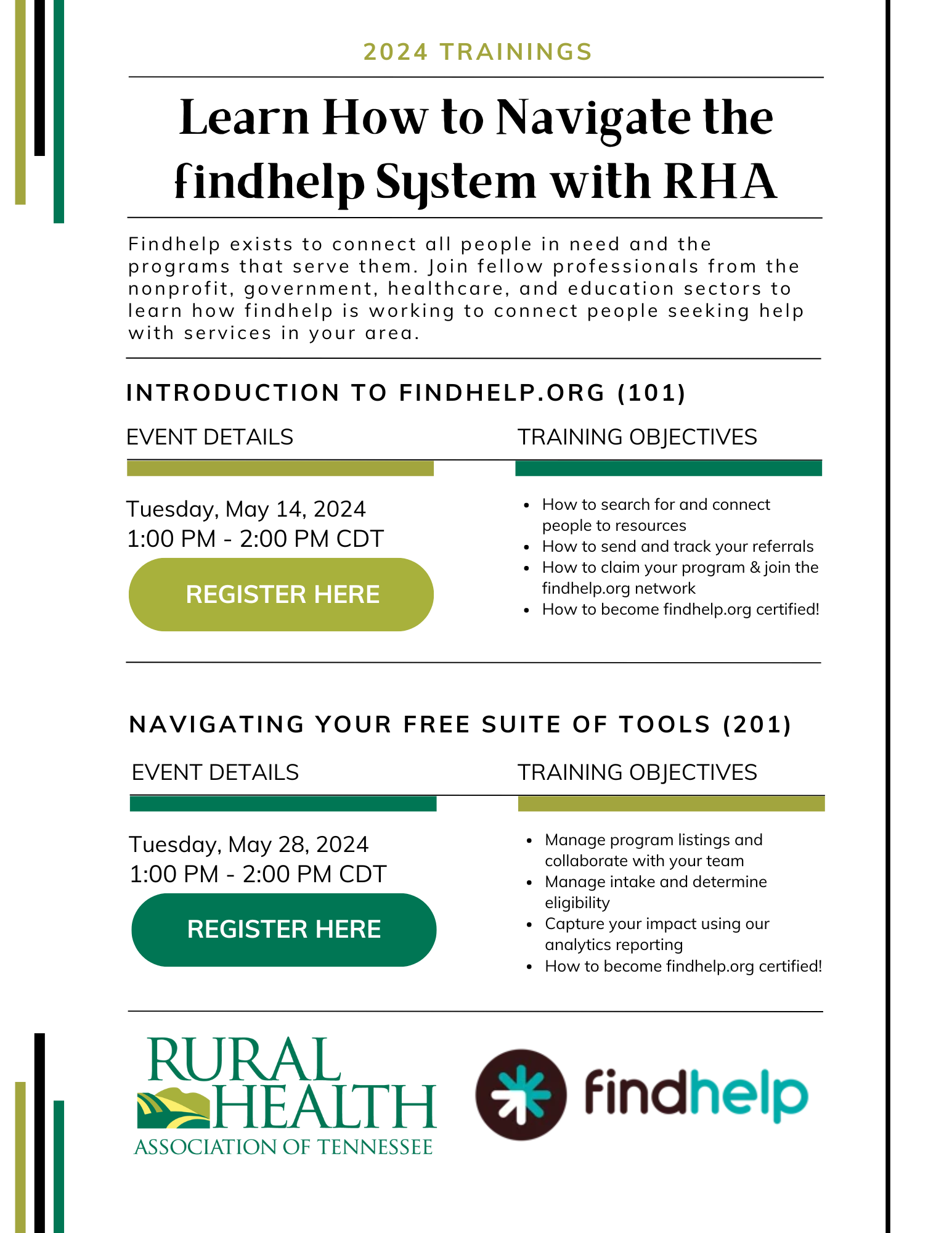 Join RHA Regional Liaisons for our May findhelp 101 and 102 trainings. The two part training will teach nonprofits, government, healthcare, and education sectors how findhelp is working to connect people seeking help with services across Tennessee.
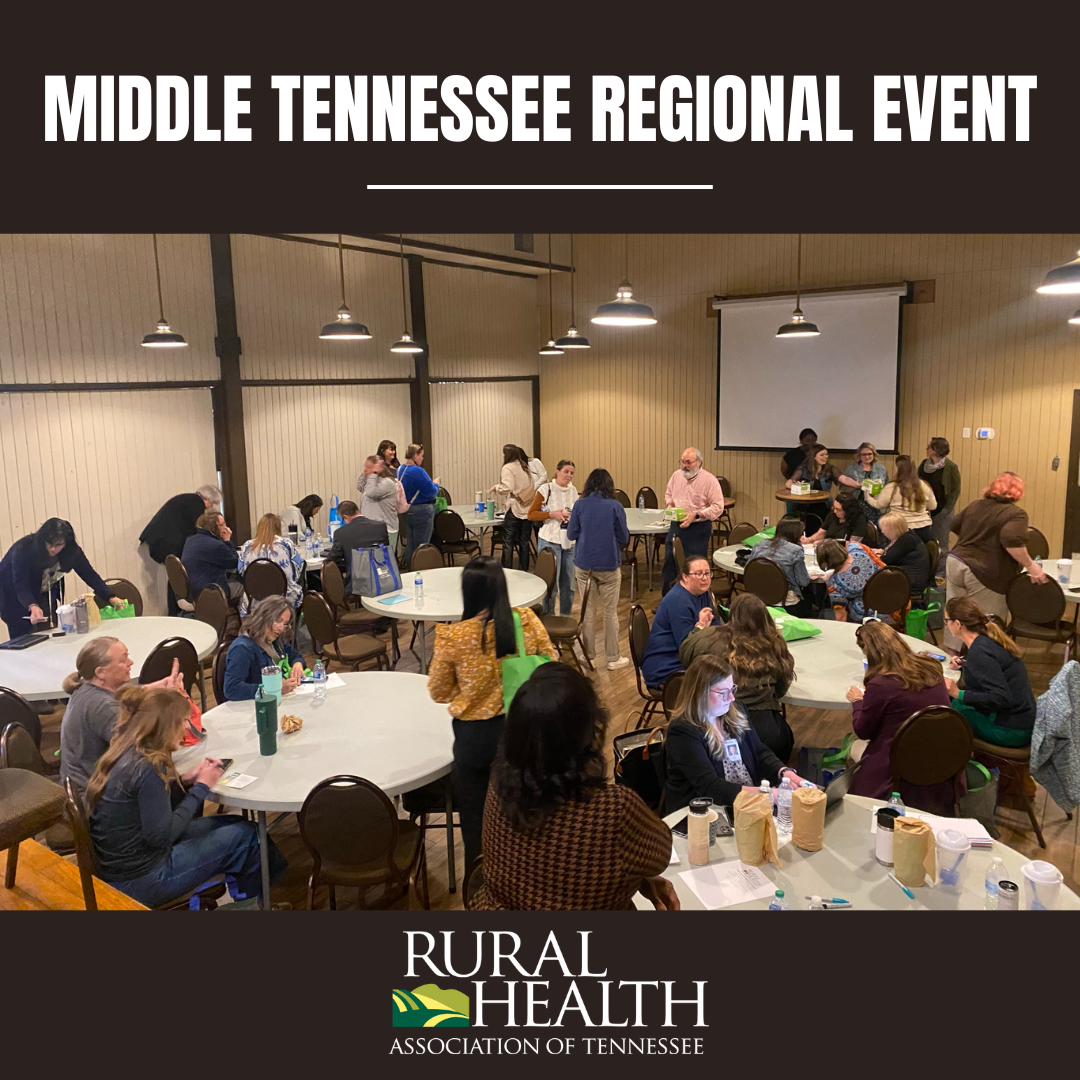 Tuesday, April 23rd, we had the opportunity to host our last regional event of the season at Fall Creek Falls State Park and see our middle region members. Members had the opportunity to h